Challenge
Challenge
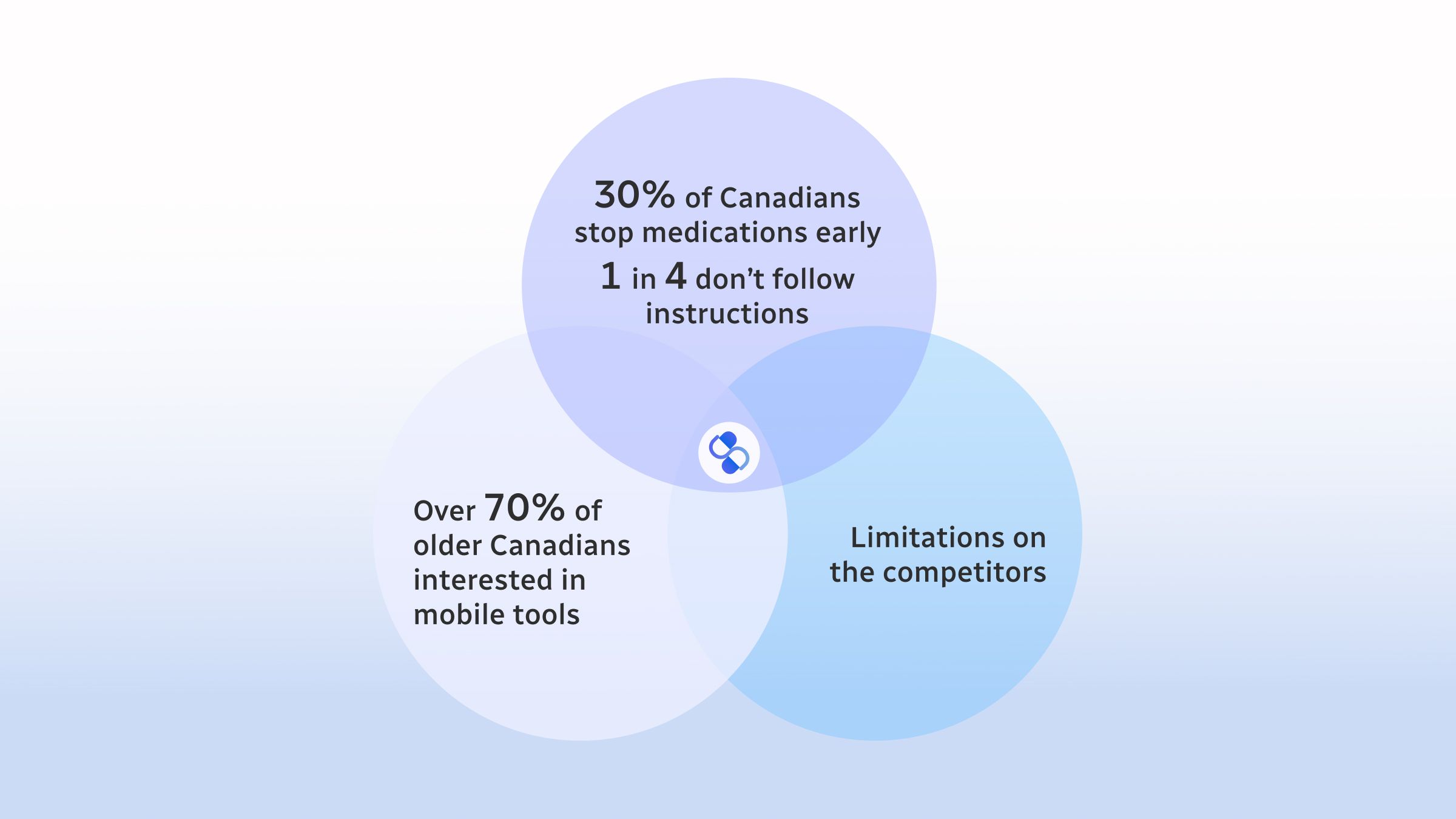
Managing complex medication regimens—including prescriptions, OTC drugs, and supplements—often leads to non-adherence and dangerous adverse drug events. In Canada, 30% of patients stop medications early, and many struggle with manual data entry or confusing schedules. The technical hurdle was to create a mobile-first solution that automates data entry while maintaining strict Canadian privacy standards.
The Solution
The Solution
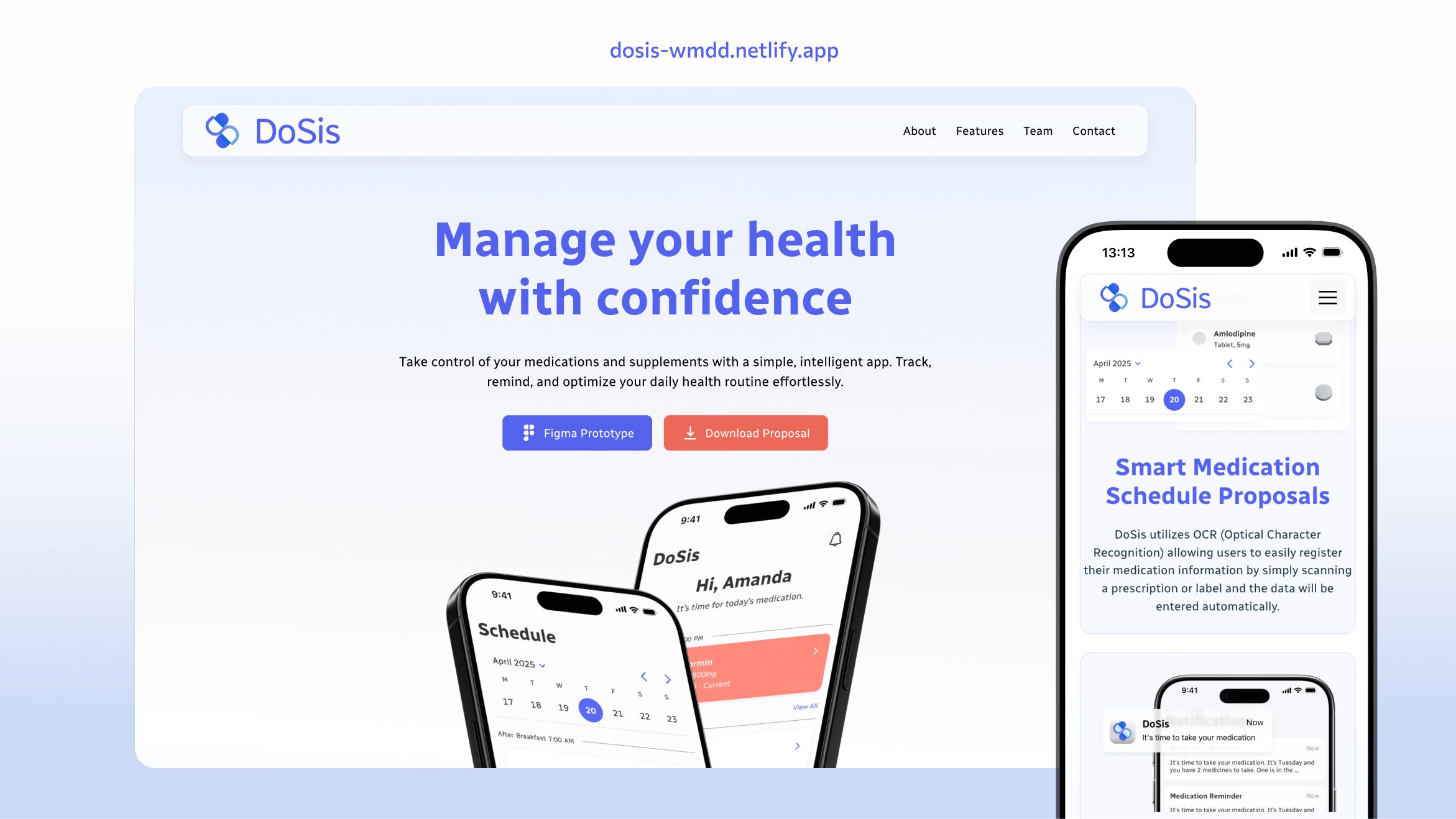
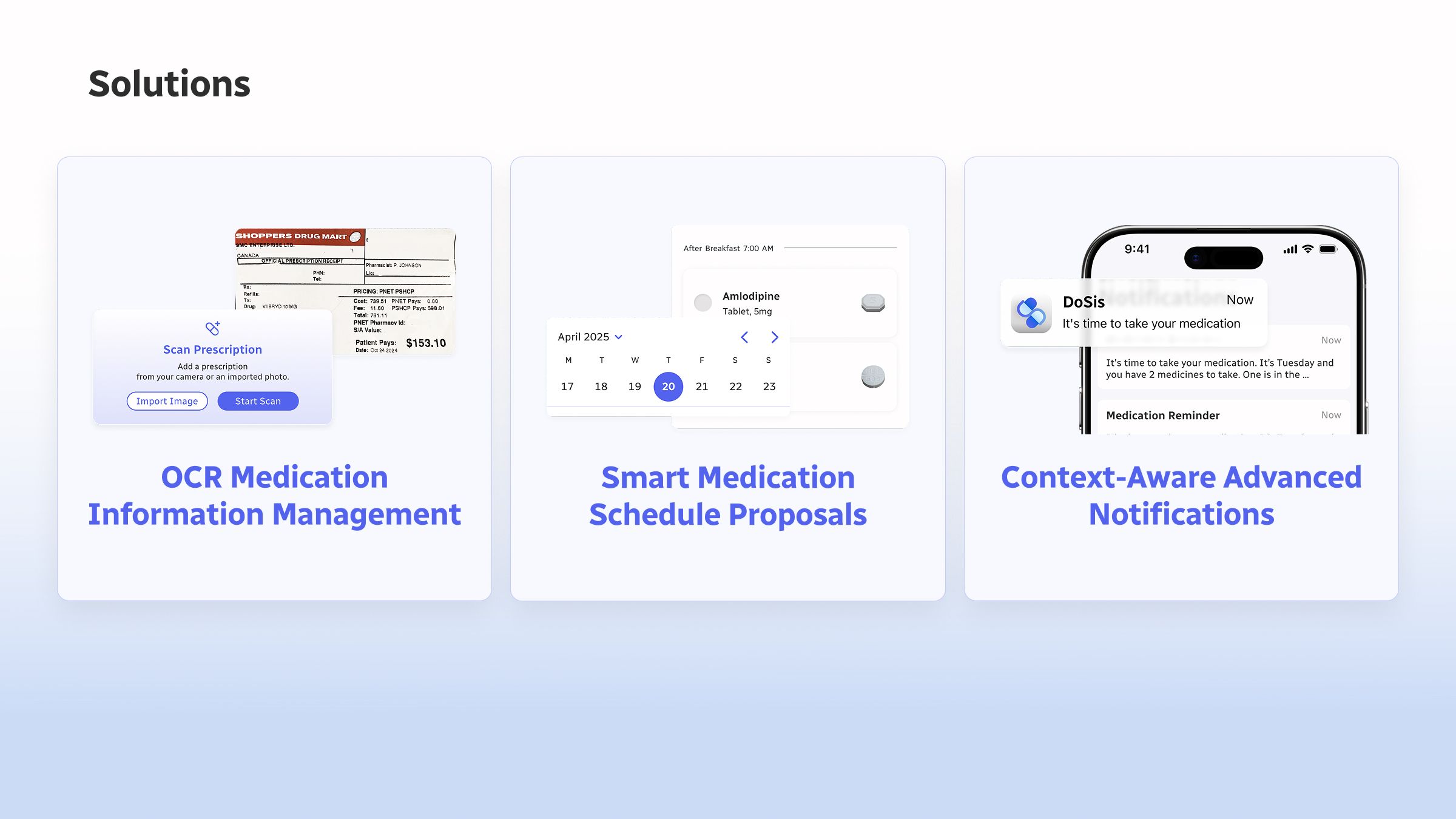
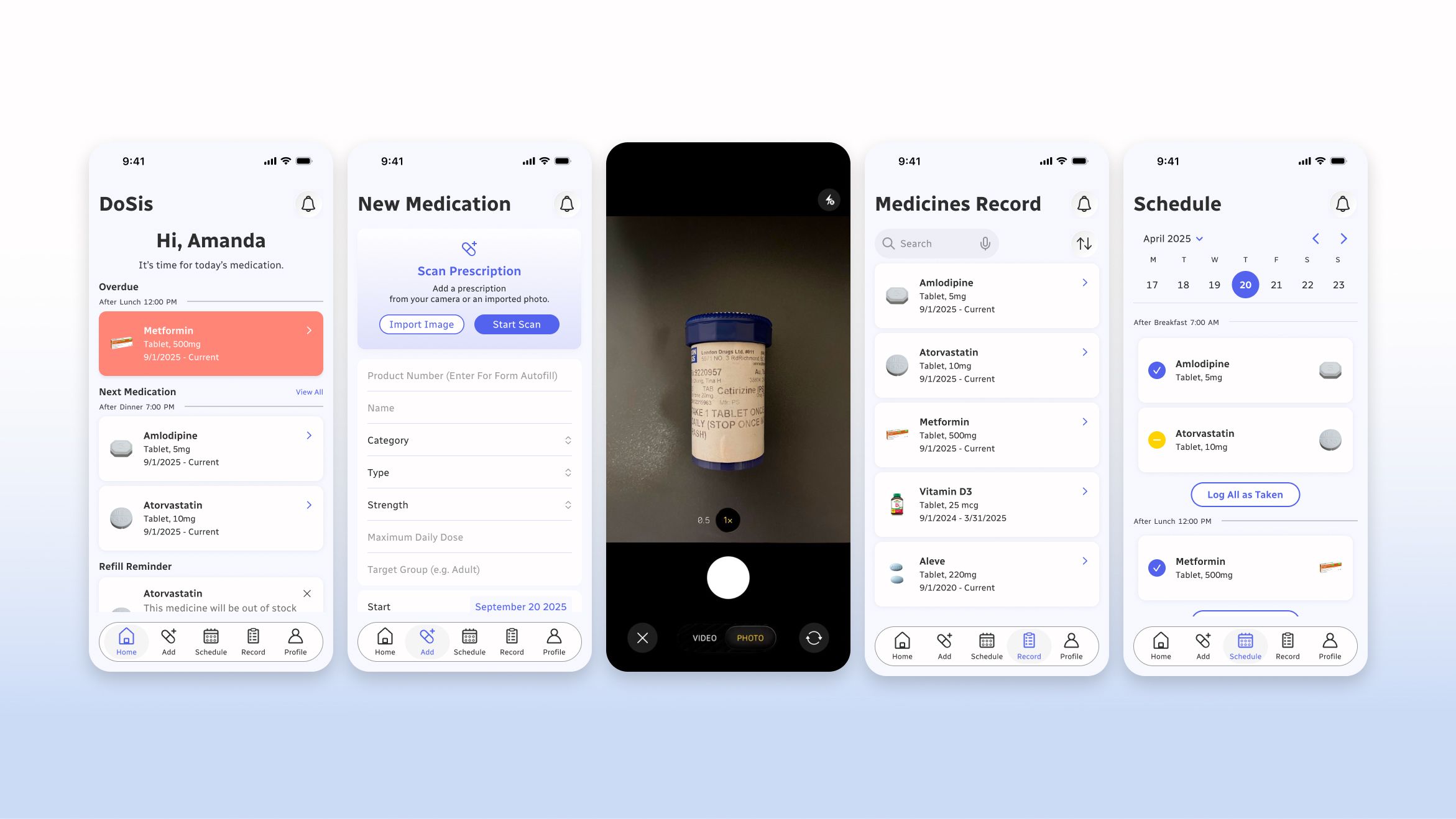
We addressed medication non-adherence by implementing a smart, three-pillar solution centered on automation and safety. First, OCR (Optical Character Recognition) technology enables users to scan prescription labels directly through the mobile camera, significantly reducing manual entry errors. This data feeds into a Rules Engine that generates optimal, personalized schedules while checking for interactions against a vetted medication database. Finally, the system uses Agenda to manage background jobs, triggering Advanced Notifications that provide context-aware alerts—such as "take with food" or "may cause drowsiness"—directly to the user's device.
Tech Stack
Tech Stack
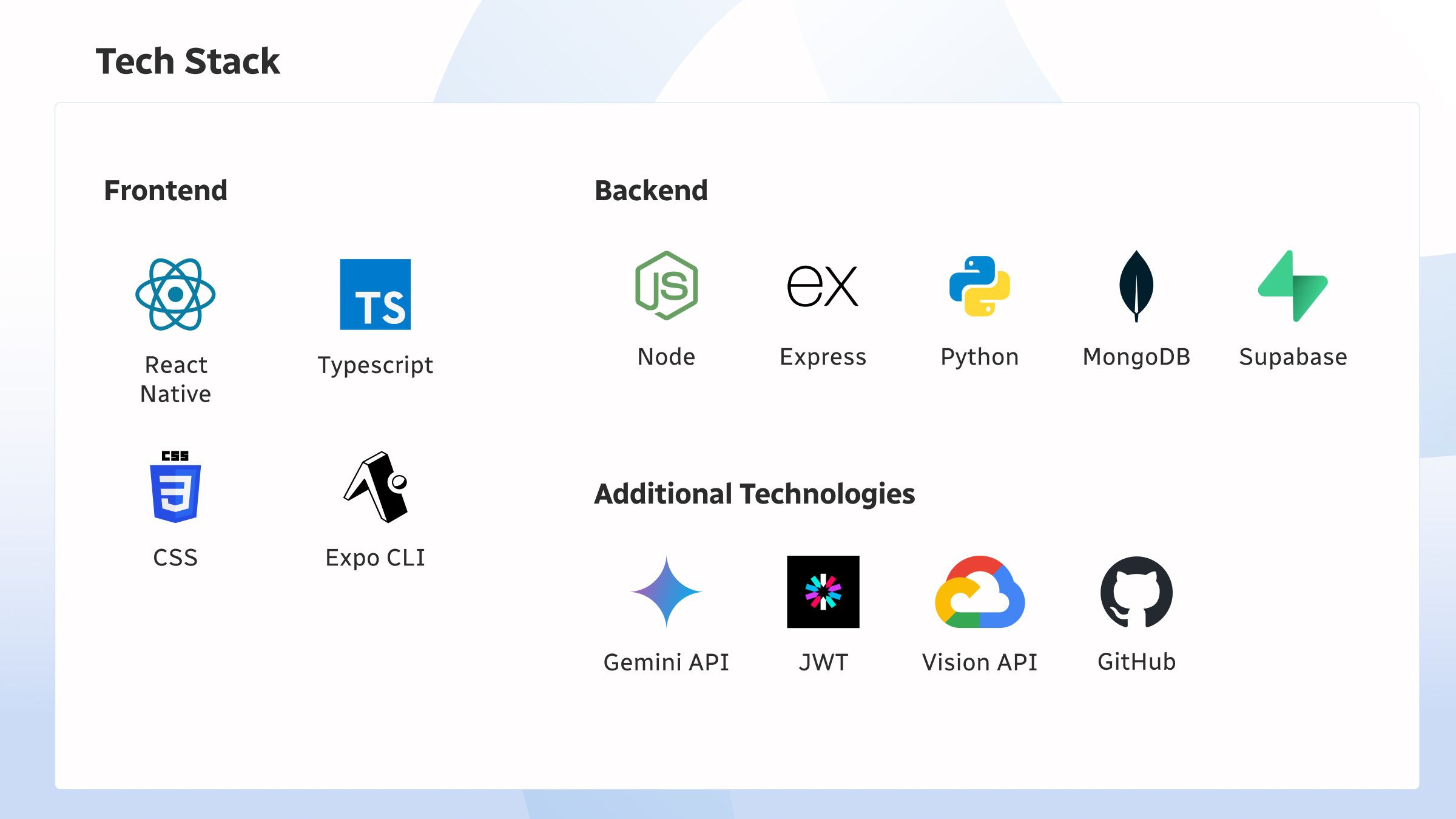
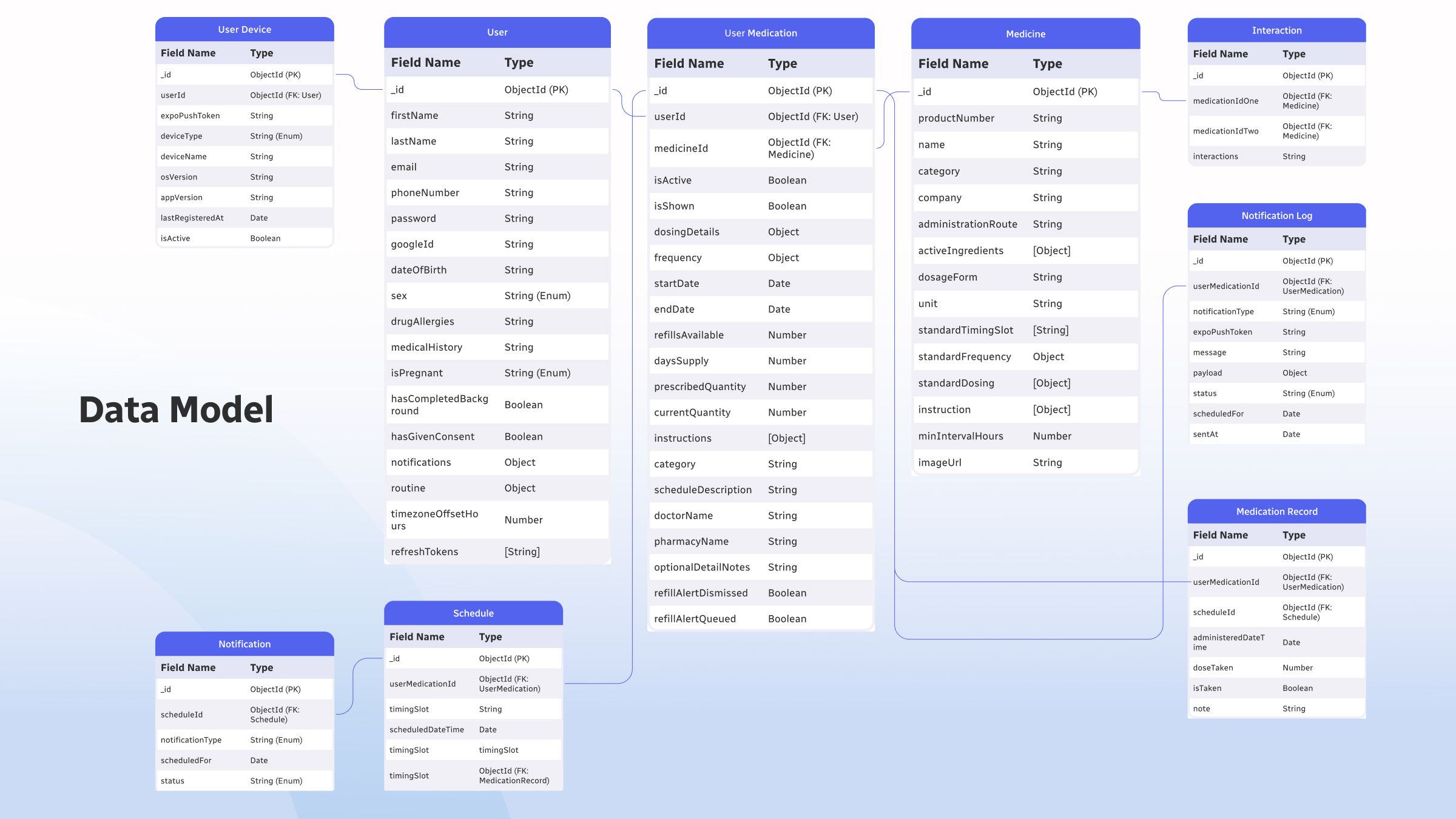
The application is built on the React Native framework using Expo, which allowed for a single TypeScript codebase to target both iOS and Android platforms with native performance. This frontend communicates with a Node.js and Express backend, utilizing Mongoose to interface with a MongoDB database for flexible storage of medication logs and user profiles. To ensure a seamless user experience, we implemented JWT for secure authentication—stored on-device via Expo SecureStore—and integrated Google Sign-in for accessibility.
Data Model
Data Model
Security was a primary design constraint given the sensitive nature of health data in the Canadian market. We adopted a security-by-design approach, featuring end-to-end encryption for all data in transit and at rest. To align with PIPEDA and PHIPA regulations, the app prioritizes on-device OCR processing to keep sensitive scans local and keeps cloud synchronization disabled by default, requiring explicit user consent. Additionally, all analytics are strictly anonymized to ensure no personal identifiers are shared with third-party servers.
The Results
The Results
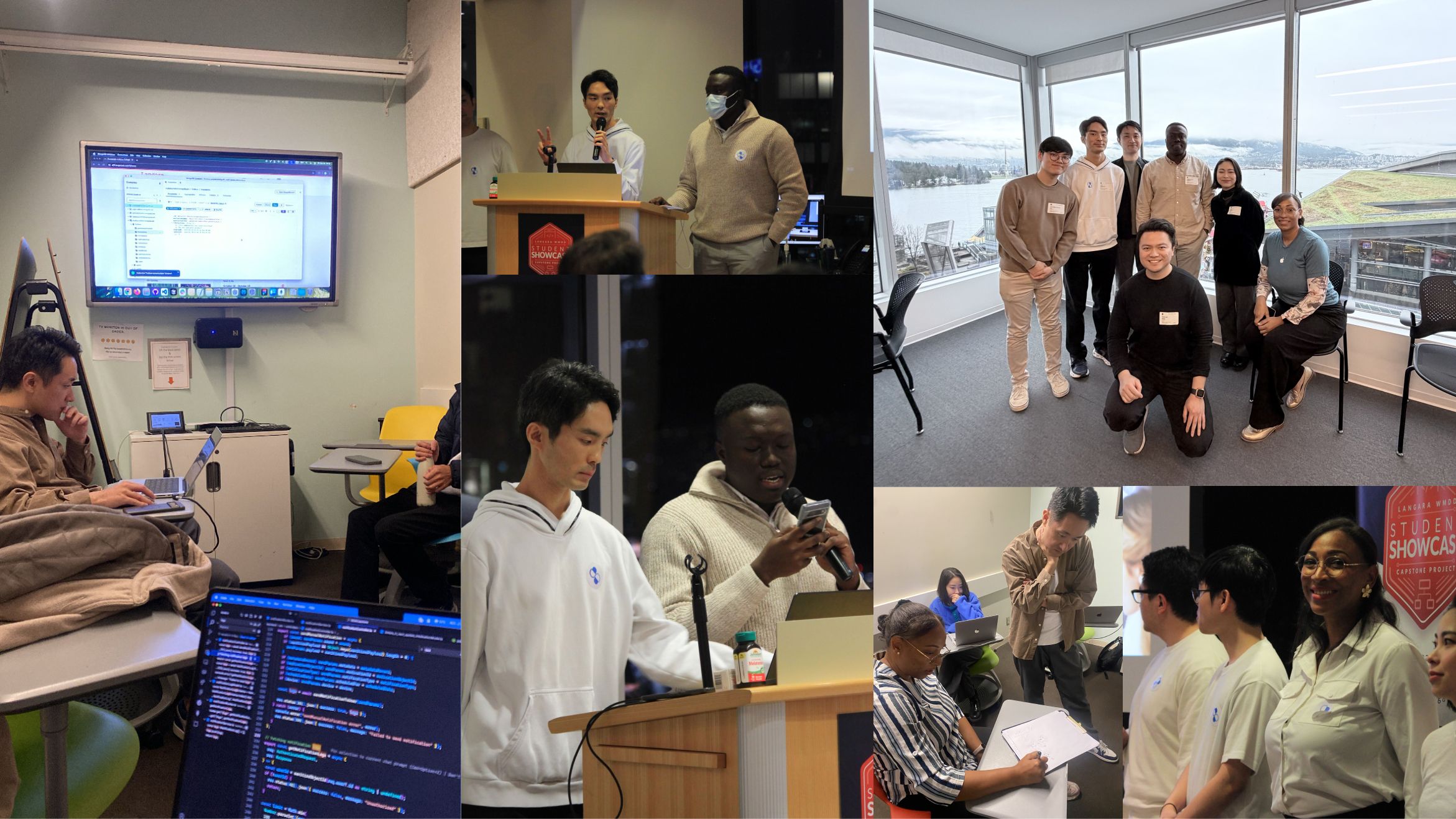
The development of DoSis resulted in building a viable cross-platform product that successfully transforms complex ingestible management into a streamlined, user-friendly digital experience. Beyond the technical achievement, this project served as a significant milestone in professional growth, as it required close collaboration with a diverse team of designers and developers from global backgrounds to navigate the complexities of the 13-week design and development timeline. This experience was instrumental in learning how to bridge the gap between user-centered UX design and a robust Node.js/MongoDB backend, ensuring that every pixel and notification was optimized for high-risk users such as seniors and caregivers.